


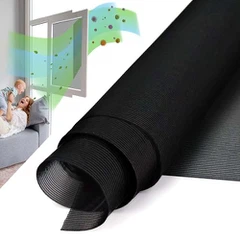
Hey there! As a supplier of pollen screen mesh, I've been thinking a lot lately about the potential uses of our product. One question that keeps popping up in my mind is: Can a pollen screen mesh be used in a subway station? Let's dig into this and see if it's a viable idea.
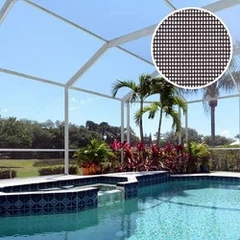
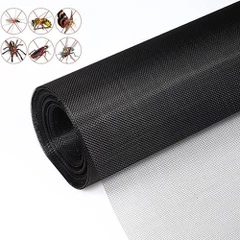
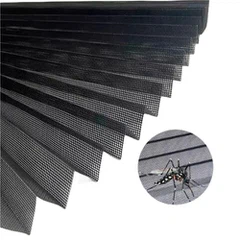
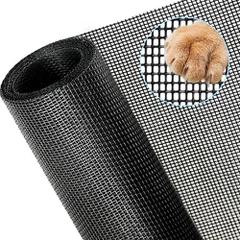
First off, let's talk about what pollen screen mesh is. It's basically a fine - woven mesh designed to block pollen particles from passing through. You can check out our Pollen Proof Window Screen for a better understanding of how it works. This mesh is typically made from materials that are durable and have small enough pores to trap pollen.
Now, let's consider the subway station environment. Subways are often crowded places with high traffic flow. The air in subway stations can be filled with various pollutants, not just pollen. There's dust from the tracks, exhaust fumes from the trains, and even tiny particles from people's clothing and shoes.
One of the main advantages of using pollen screen mesh in a subway station is its ability to filter out pollen. For people with pollen allergies, taking the subway can be a nightmare during the allergy season. The mesh could act as a barrier, reducing the amount of pollen that passengers are exposed to. This would make the subway a more comfortable and healthy place to travel.
But it's not just about pollen. The mesh can also help with other particulate matter. Our Pollen and Dust Window Screens are designed to trap dust as well. In a subway station, where dust can accumulate quickly, the mesh could play a role in improving air quality. By reducing the amount of dust in the air, it might also help with the maintenance of the subway's ventilation systems. Less dust means less clogging of filters and ducts, which could lead to lower maintenance costs in the long run.
However, there are some challenges to using pollen screen mesh in a subway station. One of the biggest issues is the high volume of air movement. Subways have powerful ventilation systems to keep the air fresh and prevent the build - up of harmful gases. The mesh needs to be able to withstand this strong air flow without getting damaged or losing its effectiveness.
Another challenge is the need for regular cleaning. With so many people passing through the subway station every day, the mesh is likely to get dirty quickly. If it's not cleaned regularly, it could become clogged, reducing its filtering efficiency. And cleaning in a busy subway station can be a logistical nightmare. It would require careful planning to ensure that the cleaning process doesn't disrupt the normal operation of the subway.
The installation of the pollen screen mesh also needs to be carefully considered. It should be installed in a way that doesn't interfere with the existing infrastructure of the subway station. For example, it can't block the entrances or exits of ventilation ducts. And it needs to be installed securely to prevent it from coming loose and causing a hazard.
Let's also talk about the cost. Implementing a pollen screen mesh system in a subway station would require a significant investment. There's the cost of the mesh itself, the installation costs, and the ongoing maintenance costs. But when you consider the potential benefits in terms of improved air quality and the well - being of passengers, it might be worth it.
In addition to the practical aspects, there are also regulatory and safety considerations. Subway stations are subject to strict safety regulations. The pollen screen mesh needs to meet all the relevant safety standards. It should be fire - resistant, for example, to ensure that it doesn't pose a fire hazard in case of an emergency.
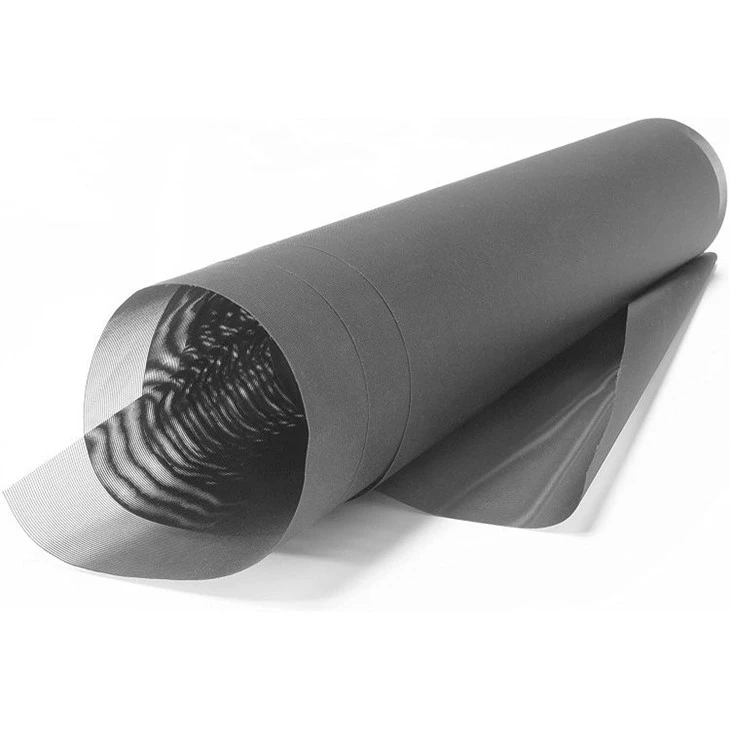

Despite these challenges, I believe that with the right approach, using pollen screen mesh in a subway station is a feasible idea. We can work with subway operators to design a system that takes into account all the factors. For instance, we could develop a more robust mesh that can withstand the high air flow and is easier to clean.
If you're involved in the management or operation of a subway station and are interested in exploring the possibility of using our pollen screen mesh, I'd love to have a chat with you. We can discuss your specific needs and come up with a customized solution. You can also check out our Pollen Mesh for Windows to get an idea of the quality and performance of our products.
In conclusion, while there are challenges to using pollen screen mesh in a subway station, the potential benefits in terms of air quality improvement and passenger comfort are significant. I'm confident that with the right technology and planning, we can make this a reality. So, if you're looking for a way to enhance the air quality in your subway station, don't hesitate to reach out. Let's work together to create a healthier and more comfortable environment for subway passengers.
References
- General knowledge about subway station environments and air quality management.
- Product specifications and research on pollen screen mesh.