


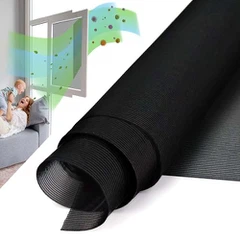
Hey there! As a supplier of pollen screen mesh, I often get asked a bunch of questions about our products. One question that pops up quite a bit is, "Can a pollen screen mesh be damaged by moisture?" Well, let's dig into this topic and find out.
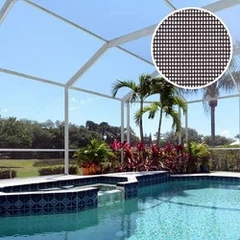
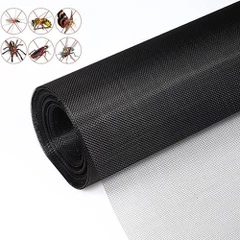
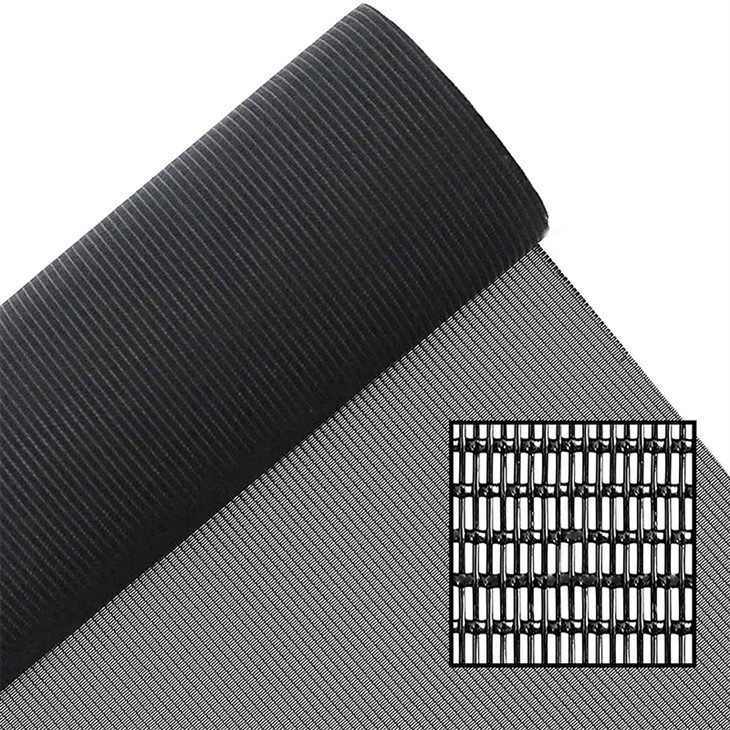
First off, let's talk about what pollen screen mesh is. It's a special kind of mesh that's designed to block pollen from getting into your home or building. It's super useful for people with allergies or those who just want to keep their indoor air clean. We've got a great Anti Pollen Screen that does an amazing job at this.
Now, moisture. Moisture can come in different forms - rain, humidity, or even condensation. And it can have different effects on pollen screen mesh depending on a few factors.
How Moisture Affects Pollen Screen Mesh
Rust and Corrosion
If your pollen screen mesh is made of metal, moisture can be a real problem. Metal mesh can rust when it comes into contact with water for an extended period. Rust not only looks bad but can also weaken the structure of the mesh. Over time, the rust can cause holes to form in the mesh, which means it won't be as effective at blocking pollen anymore.
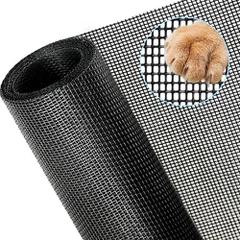
For example, if you live in an area with a lot of rain and your pollen screen mesh is installed outside without proper protection, it's more likely to rust. And once rust starts, it can spread quickly. That's why we recommend using a 16×48 Pollen Screen Mesh made of materials that are resistant to rust, like coated metals or synthetic materials.
Mold and Mildew Growth
Moisture can also lead to mold and mildew growth on the pollen screen mesh. Mold and mildew thrive in damp environments, and if your mesh is constantly wet or in a humid area, they can start to grow on it. Not only does this look gross, but it can also be a health hazard. Mold and mildew can release spores into the air, which can cause allergic reactions and respiratory problems.
To prevent mold and mildew growth, it's important to keep your pollen screen mesh dry. If you notice any signs of mold or mildew, you should clean the mesh as soon as possible. You can use a mild detergent and water to clean it, and make sure to dry it thoroughly afterward.
Material Degradation
Some materials used in pollen screen mesh can degrade when exposed to moisture. For example, certain types of plastics can become brittle and break down over time when they're constantly wet. This can cause the mesh to lose its strength and durability, and it may not be able to block pollen as effectively.
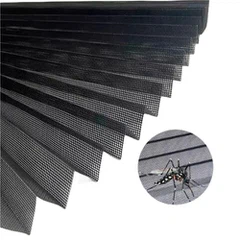
On the other hand, there are also materials that are more resistant to moisture. For instance, fiberglass mesh is generally more resistant to moisture and won't degrade as easily as some plastics. That's why we offer a Pollen Proof Window Screen made of high-quality fiberglass that can withstand moisture and still do a great job at blocking pollen.
Preventing Moisture Damage
Proper Installation
One of the best ways to prevent moisture damage to your pollen screen mesh is to install it properly. Make sure the mesh is installed in a way that allows for proper drainage. If water can't drain away from the mesh, it will stay wet for longer periods, increasing the risk of rust, mold, and material degradation.
For example, if you're installing the mesh on a window, make sure there's a slight slope so that water can run off. You can also use gaskets or seals to prevent water from seeping behind the mesh.
Regular Maintenance
Regular maintenance is also crucial for preventing moisture damage. You should inspect your pollen screen mesh regularly for any signs of damage or moisture. If you notice any problems, address them right away.
Cleaning the mesh regularly can also help prevent moisture-related issues. As I mentioned earlier, you can use a mild detergent and water to clean the mesh, and make sure to dry it thoroughly. You can also use a protective coating on the mesh to make it more resistant to moisture.
Choosing the Right Material
When choosing a pollen screen mesh, it's important to consider the material. As I mentioned earlier, some materials are more resistant to moisture than others. If you live in an area with a lot of moisture, you may want to choose a mesh made of a material that's resistant to rust, mold, and material degradation.
We offer a variety of pollen screen meshes made of different materials, so you can choose the one that's best for your needs. Whether you need a mesh for a high-humidity area or just want to keep pollen out of your home, we've got you covered.

Conclusion
So, can a pollen screen mesh be damaged by moisture? The answer is yes, it can. Moisture can cause rust, mold, and material degradation, which can all affect the performance and lifespan of the mesh. However, by taking the right precautions, such as proper installation, regular maintenance, and choosing the right material, you can prevent moisture damage and ensure that your pollen screen mesh lasts for a long time.
If you're interested in purchasing a pollen screen mesh or have any questions about our products, feel free to reach out to us. We're here to help you find the best solution for your needs. Whether you're looking for an Anti Pollen Screen, a 16×48 Pollen Screen Mesh, or a Pollen Proof Window Screen, we've got a wide range of options to choose from. Let's work together to keep your indoor air clean and pollen-free!
References
- Basic knowledge of materials science related to mesh products
- Experience in the pollen screen mesh supply industry