



Hey there! As a supplier of pollen screens, I've been getting a lot of interesting questions lately. One that's really piqued my curiosity is whether a pollen screen can be used in a museum. Let's dig into this topic and see what we can find out.
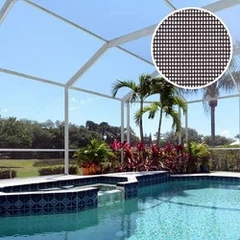
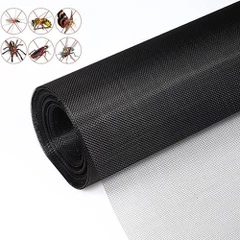
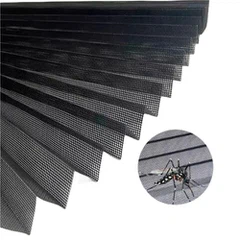
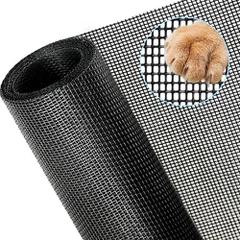
First off, let's talk about what pollen screens are. If you're not familiar, Anti Pollen Window Screen is a type of mesh that's designed to block pollen and other allergens from entering a space through windows. They're made up of a fine weave that can catch tiny particles like pollen, dust mites, and even some mold spores. You can also check out Pollen Mesh for Windows which offers a similar function with various mesh sizes and materials to suit different needs. And if you or someone you know suffers from allergies, Window Screens for Allergy Sufferers is the perfect solution.
Now, let's think about museums. Museums are places that house a wide variety of artifacts, artworks, and historical items. These items are often very sensitive to environmental factors like humidity, temperature, and air quality. Pollen, being a common airborne particle, can potentially cause damage to these valuable items. For example, pollen can carry dirt and moisture, which can lead to mold growth if it accumulates on the surface of an artifact. Also, some types of pollen can be acidic, which may cause discoloration or deterioration over time.

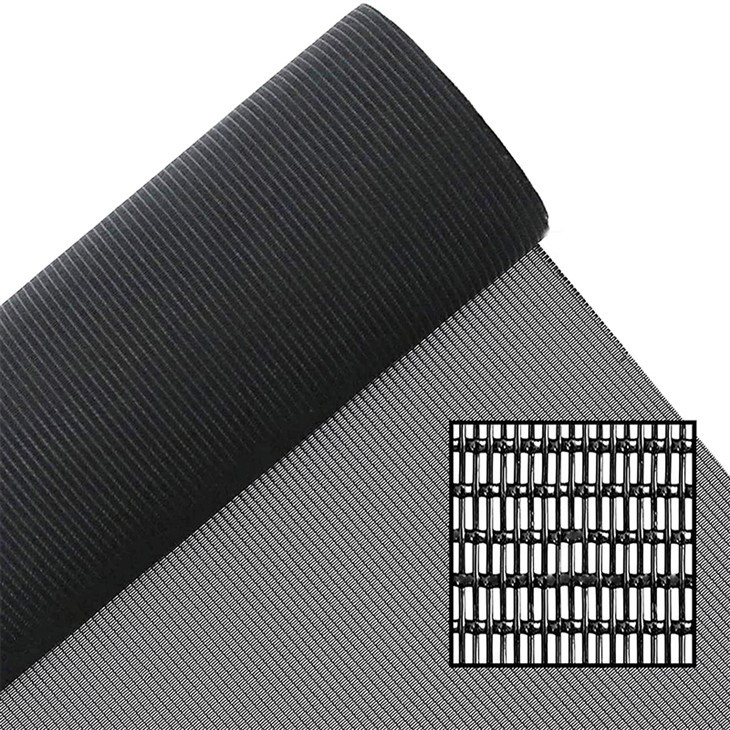
So, could a pollen screen help in a museum? Well, the answer is yes, but with some considerations. One of the main benefits of using a pollen screen in a museum is improving air quality. By blocking pollen from entering the building, it can reduce the amount of dust and debris in the air. This is especially important for museums that have open - air vents or have windows that are occasionally opened for ventilation. Cleaner air can help preserve the integrity of the artifacts and provide a healthier environment for both the exhibits and the visitors.
Another advantage is related to visitor comfort. Many people suffer from pollen allergies, and a museum visit can be a nightmare for them if the air is filled with pollen. By installing pollen screens, museums can make the visit more enjoyable for allergy sufferers. This can potentially attract a wider audience and increase the overall footfall in the museum.
However, there are also some challenges to using pollen screens in museums. The first one is the aesthetic aspect. Museums are often architectural masterpieces, and the addition of a visible pollen screen may affect the overall look of the windows and the building. To overcome this, it's important to choose a pollen screen that is as unobtrusive as possible. Some modern pollen screens come in a very fine mesh that is almost invisible from a distance.
Another challenge is the maintenance of the pollen screens. In a museum, where everything needs to be handled with care, cleaning the pollen screens without damaging the building or the exhibits can be tricky. Regular cleaning is necessary to ensure that the screens continue to function effectively. It's important to train the museum staff on how to clean the screens properly or hire a professional cleaning service that has experience working in museums.
Cost is also a factor. Pollen screens can vary in price depending on the size, quality, and material. For a large museum, the cost of installing pollen screens on all the windows can be significant. However, when considering the long - term benefits of preserving the artifacts and improving visitor experience, it may be a worthwhile investment.
Now, let's consider the installation process. Installing pollen screens in a museum requires precision and care. The screens need to fit perfectly to ensure that pollen cannot enter through the gaps. It's also important to work with a professional installer who understands the unique requirements of a museum. They should be able to install the screens without causing any damage to the building or the exhibits. This may involve using special mounting methods or adhesives that are safe for the museum environment.
In addition to protecting against pollen, some pollen screens also have additional features. For example, some screens can block UV rays, which can also be harmful to the artifacts in a museum. UV rays can cause fading and discoloration of paintings, textiles, and other sensitive materials. By using a pollen screen with UV - blocking properties, museums can provide an extra layer of protection for their valuable collections.
So, is it worth it to use a pollen screen in a museum? In my opinion, yes, it is. The potential benefits in terms of artifact preservation, visitor comfort, and overall air quality far outweigh the challenges. Of course, each museum will have its own unique situation, and a careful assessment should be done before making a decision.
If you're a museum curator, director, or someone involved in the management of a museum and you're interested in exploring the use of pollen screens, I'd love to have a chat with you. We can discuss your specific needs, the different types of pollen screens we offer, and how they can be customized to fit your museum. Whether you're looking to protect ancient artifacts or simply make your museum more accessible to allergy sufferers, we've got the solutions.
Let's work together to create a better environment for your museum's exhibits and visitors. Drop me a line, and let's start the conversation about how our pollen screens can make a difference in your museum.
References
- General knowledge about pollen and its effects on various materials.
- Industry research on the functionality and benefits of pollen screens.
- Professional experience in the pollen screen supply business.