


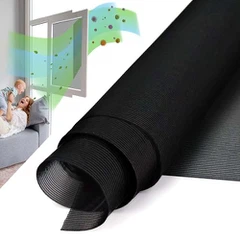
Can a Folding Screen Mesh be Used in a Wine Cellar?
As a supplier of folding screen mesh, I often get asked about the various applications of our products. One question that has recently piqued my interest is whether a folding screen mesh can be used in a wine cellar. In this blog post, I'll explore the feasibility of using folding screen mesh in a wine cellar, taking into account the unique requirements of such an environment.
Understanding the Requirements of a Wine Cellar
Before delving into the suitability of folding screen mesh for a wine cellar, it's essential to understand the key requirements of this specialized space. Wine cellars are designed to provide optimal conditions for storing wine, which typically include:
- Temperature Control: Wine is highly sensitive to temperature fluctuations. Ideal storage temperatures range between 45°F and 65°F (7°C and 18°C), depending on the type of wine. Maintaining a consistent temperature is crucial to prevent spoilage and preserve the wine's flavor and aroma.
- Humidity Regulation: Proper humidity levels are also vital for wine storage. A relative humidity of 50% to 70% helps prevent the corks from drying out, which can lead to oxidation and spoilage. At the same time, excessive humidity can promote the growth of mold and mildew.
- Light Protection: Exposure to light, especially ultraviolet (UV) light, can damage wine and alter its flavor. Wine cellars should be designed to minimize light exposure, using dark-colored walls, curtains, or blinds.
- Ventilation: Adequate ventilation is necessary to prevent the buildup of odors and carbon dioxide, which can affect the wine's quality. However, the ventilation system should be carefully designed to avoid excessive air circulation, which can cause temperature and humidity fluctuations.
Benefits of Using Folding Screen Mesh in a Wine Cellar
Now that we understand the requirements of a wine cellar, let's explore the potential benefits of using folding screen mesh in this environment:
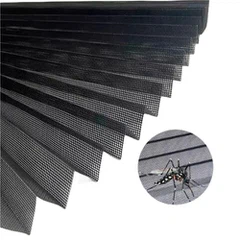
- Flexible Ventilation Control: Folding screen mesh can be easily adjusted to control the amount of air circulation in the wine cellar. By opening or closing the mesh panels, you can regulate the flow of fresh air while maintaining the desired temperature and humidity levels. This flexibility is particularly useful in wine cellars where ventilation needs may vary depending on the season or the number of bottles stored.
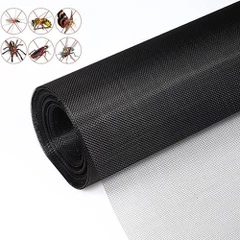
- Pest Protection: Wine cellars are often susceptible to pests such as insects and rodents, which can damage the wine bottles and contaminate the stored wine. Folding screen mesh can act as a barrier, preventing pests from entering the cellar while allowing for proper ventilation. The fine mesh size ensures that even small insects are kept out, providing an additional layer of protection for your valuable wine collection.
- Light Blocking: Some folding screen mesh products are designed to block a significant amount of light, which can help protect the wine from UV damage. By installing folding screen mesh on windows or ventilation openings, you can reduce the amount of light entering the cellar without sacrificing ventilation.
- Aesthetic Appeal: Folding screen mesh can add a touch of elegance and functionality to a wine cellar. With a variety of styles and colors available, you can choose a mesh that complements the overall design of the cellar. Whether you prefer a modern, minimalist look or a more traditional style, folding screen mesh can enhance the visual appeal of your wine storage space.
Considerations for Using Folding Screen Mesh in a Wine Cellar
While folding screen mesh offers several benefits for wine cellars, there are also some considerations to keep in mind:
- Material Selection: The material of the folding screen mesh is crucial for ensuring its durability and performance in a wine cellar environment. Look for mesh made from high-quality materials such as stainless steel or aluminum, which are resistant to corrosion and rust. Avoid using mesh made from plastic or other materials that may degrade over time or release harmful chemicals.
- Mesh Size: The mesh size should be carefully selected to balance ventilation and pest protection. A finer mesh size will provide better pest protection but may reduce the amount of air circulation. On the other hand, a larger mesh size will allow for more ventilation but may not be as effective in keeping out small insects. Consider the specific pest problems in your area and the ventilation requirements of your wine cellar when choosing the mesh size.
- Installation: Proper installation is essential to ensure the effectiveness of the folding screen mesh. Make sure the mesh is securely attached to the frame and that there are no gaps or openings that could allow pests or air to pass through. If you're not comfortable installing the mesh yourself, consider hiring a professional installer who has experience working with folding screen mesh in wine cellar applications.
- Maintenance: Like any other component in a wine cellar, folding screen mesh requires regular maintenance to ensure its optimal performance. Clean the mesh periodically to remove dust, dirt, and debris, and inspect it for any signs of damage or wear. If necessary, replace the mesh panels to maintain the integrity of the barrier.
Conclusion
In conclusion, a folding screen mesh can be a valuable addition to a wine cellar, offering flexible ventilation control, pest protection, light blocking, and aesthetic appeal. However, it's important to carefully consider the specific requirements of your wine cellar and choose the right type of mesh and installation method. By taking these factors into account, you can ensure that your folding screen mesh provides long-lasting performance and helps create the ideal environment for storing your wine collection.


If you're interested in learning more about our Folding Screen Mesh products or have any questions about using them in a wine cellar, please don't hesitate to contact us. We'd be happy to discuss your specific needs and provide you with a customized solution.
References
- "The Wine Cellar Handbook" by Andrew Jefford
- "Wine Storage: Best Practices" by Wine Enthusiast Magazine
- "Ventilation in Wine Cellars" by the American Society of Heating, Refrigerating and Air-Conditioning Engineers (ASHRAE)