


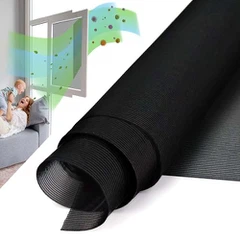
Hey there! As a supplier of pollen screens, I often get asked about the environmental impacts of using these nifty little products. So, I thought I'd sit down and have a chat with you all about it.
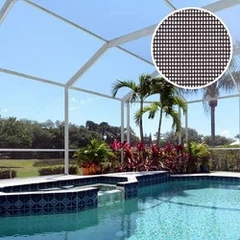
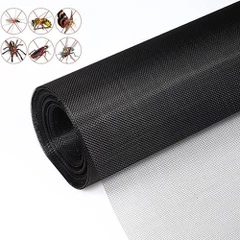
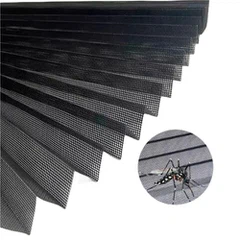
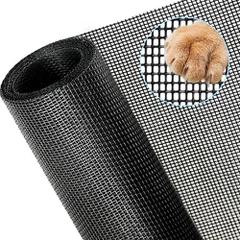
First off, let's talk about what pollen screens are. They're basically screens that you can put on your windows to keep pollen, dust, and other allergens out of your home. You can check out our Pollen and Dust Window Screens, Pollen Net for Windows, and Pollen Proof Window Screen for more details.
Now, onto the environmental impacts. One of the big positives of using pollen screens is that they can reduce the need for air conditioning. When you keep pollen and dust out of your home, you don't have to rely as much on air conditioning to filter the air. Air conditioning units are known energy guzzlers. They use a lot of electricity, and in many places, that electricity is generated from non - renewable sources like coal and natural gas. By using pollen screens to keep your indoor air cleaner naturally, you're cutting down on your energy consumption. This, in turn, reduces the amount of greenhouse gas emissions associated with powering those air conditioning units.
Let's look at some numbers. A typical central air conditioning unit can use anywhere from 3000 to 5000 watts of power per hour. If you can reduce your air conditioning usage by even a few hours a day, that's a significant amount of energy saved over time. And with less energy being used, there's less pollution being pumped into the atmosphere.
Another environmental benefit is related to the materials used in pollen screens. Most modern pollen screens are made from synthetic materials like polyester or nylon. These materials are durable and long - lasting. Unlike some other window treatments that might need to be replaced frequently, a good quality pollen screen can last for several years. This means less waste going to landfills. You're not constantly throwing away old window coverings and contributing to the growing waste problem.
However, we can't ignore the potential negative environmental impacts either. The production of synthetic materials for pollen screens does have an environmental footprint. The manufacturing process often involves the use of chemicals and large amounts of water and energy. For example, making polyester requires the extraction and processing of petroleum, a non - renewable resource. And the chemical treatments used to make the screens resistant to pollen and dust can also be harmful to the environment if not properly managed.
But here's the good news. Many manufacturers, including us, are working hard to reduce these negative impacts. We're looking into using more sustainable materials. Some companies are exploring the use of recycled plastics to make pollen screens. This not only reduces the demand for new raw materials but also gives a second life to waste plastics that would otherwise end up in landfills or the ocean.
In addition, we're also improving the manufacturing processes to be more energy - efficient and water - saving. By using advanced technologies, we can cut down on the amount of energy and water used during production. And we're being more careful about the chemicals we use, making sure they're less harmful to the environment and human health.
When it comes to the end - of - life of pollen screens, proper disposal is crucial. If a pollen screen is no longer usable, it's important to recycle it if possible. Some recycling facilities can handle synthetic materials like polyester and nylon. By recycling, we can prevent these materials from sitting in landfills for hundreds of years.


Now, let's talk about how pollen screens can impact local ecosystems. On one hand, by keeping pollen out of our homes, we're not directly interfering with the natural pollination process. Pollen is essential for the reproduction of many plants, and it's important that it can move freely in the environment. Our pollen screens are designed to be selective, allowing fresh air to flow in while keeping out only the excess pollen that causes allergies.
On the other hand, if a large number of homes in an area use pollen screens, it could potentially have a very minor impact on the local pollen distribution. But this is a very complex issue, and more research is needed to fully understand it. So far, there's no clear evidence that widespread use of pollen screens is causing significant harm to local ecosystems.
In conclusion, the environmental impacts of using pollen screens are a mixed bag. There are definitely some positive aspects, like energy savings and reduced waste. But there are also some negative impacts related to production and disposal. However, with the efforts of manufacturers to use more sustainable materials and improve production processes, the overall environmental footprint of pollen screens is becoming more and more positive.
If you're interested in learning more about our pollen screens or are thinking about making a purchase, we'd love to have a chat with you. We can answer all your questions and help you choose the right pollen screen for your home. Whether you're concerned about allergies or the environment, our pollen screens are a great option. So, don't hesitate to reach out and start a discussion about how we can help you create a cleaner, more comfortable, and more environmentally - friendly home.
References
- Energy Information Administration. (Data on energy consumption of air conditioning units)
- Environmental Protection Agency. (Information on greenhouse gas emissions and waste management)