

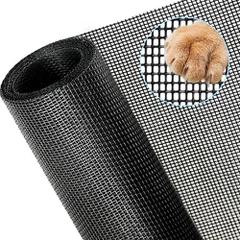
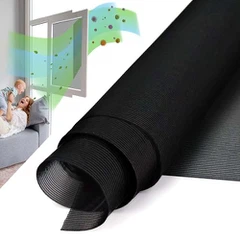
In the pursuit of sustainable living and environmentally friendly solutions, the role of shading nets for blinds has emerged as a topic of significant interest. As a supplier of shading nets for blinds, I have witnessed firsthand the growing demand for these products, not only for their aesthetic and functional benefits but also for their potential environmental advantages. In this blog post, I will explore the environmental benefits of using shading nets for blinds, drawing on scientific research and real-world examples.
Energy Efficiency and Reduced Carbon Footprint
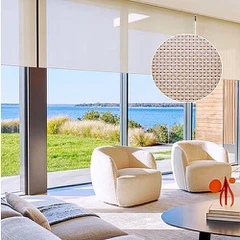
One of the most significant environmental benefits of using shading nets for blinds is their ability to improve energy efficiency in buildings. By blocking a significant portion of the sun's heat and glare, shading nets reduce the need for air conditioning and artificial lighting, thereby lowering energy consumption and greenhouse gas emissions.
According to a study conducted by the Lawrence Berkeley National Laboratory, shading devices can reduce cooling energy consumption in buildings by up to 40%. This reduction in energy use translates into substantial cost savings for building owners and occupants, as well as a significant reduction in carbon emissions. By using shading nets for blinds, we can contribute to the global effort to combat climate change by reducing our reliance on fossil fuels and lowering our carbon footprint.
In addition to reducing cooling energy consumption, shading nets can also help to reduce heating energy consumption in the winter. By blocking the sun's heat during the day, shading nets prevent overheating in the building, which can reduce the need for air conditioning. At night, the shading nets can be adjusted to allow in the sun's heat, which can help to warm the building and reduce the need for heating. This dual functionality of shading nets makes them a highly effective energy-saving solution for buildings in all climates.
Protection of Indoor Plants and Furniture
Another environmental benefit of using shading nets for blinds is their ability to protect indoor plants and furniture from the harmful effects of the sun's ultraviolet (UV) rays. UV rays can cause fading, discoloration, and damage to fabrics, wood, and other materials, reducing their lifespan and aesthetic appeal. By blocking a significant portion of the UV rays, shading nets can help to protect indoor plants and furniture from these harmful effects, extending their lifespan and reducing the need for replacement.
In addition to protecting indoor plants and furniture, shading nets can also help to create a more comfortable and healthy indoor environment. By reducing the amount of sunlight and heat entering the building, shading nets can help to lower the temperature and humidity levels, creating a more pleasant and comfortable living or working environment. This can be particularly beneficial for people with allergies or respiratory problems, as it can help to reduce the amount of dust, pollen, and other allergens in the air.
Reduction of Urban Heat Island Effect
The urban heat island effect is a phenomenon in which urban areas are significantly warmer than their surrounding rural areas due to the absorption and retention of heat by buildings, roads, and other infrastructure. This can have a number of negative environmental and health impacts, including increased energy consumption, air pollution, and heat-related illnesses.
Shading nets for blinds can play an important role in reducing the urban heat island effect by blocking a significant portion of the sun's heat and glare. By reducing the amount of heat absorbed by buildings, shading nets can help to lower the temperature in urban areas, reducing the demand for air conditioning and other cooling systems. This can not only help to reduce energy consumption and greenhouse gas emissions but also improve the overall quality of life in urban areas.
Sustainable Manufacturing and Materials
As a supplier of shading nets for blinds, I am committed to using sustainable manufacturing practices and materials in the production of our products. We source our materials from sustainable suppliers and use environmentally friendly manufacturing processes to minimize our impact on the environment.
Our shading nets are made from high-quality, durable materials that are designed to last for many years. This not only reduces the need for frequent replacement but also helps to minimize waste and conserve resources. In addition, our shading nets are recyclable, which means that they can be reused at the end of their lifespan, further reducing their environmental impact.
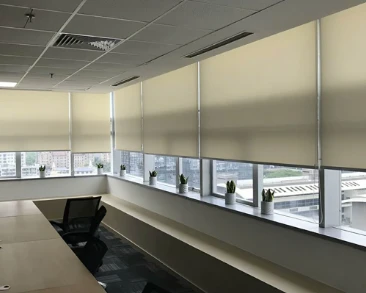
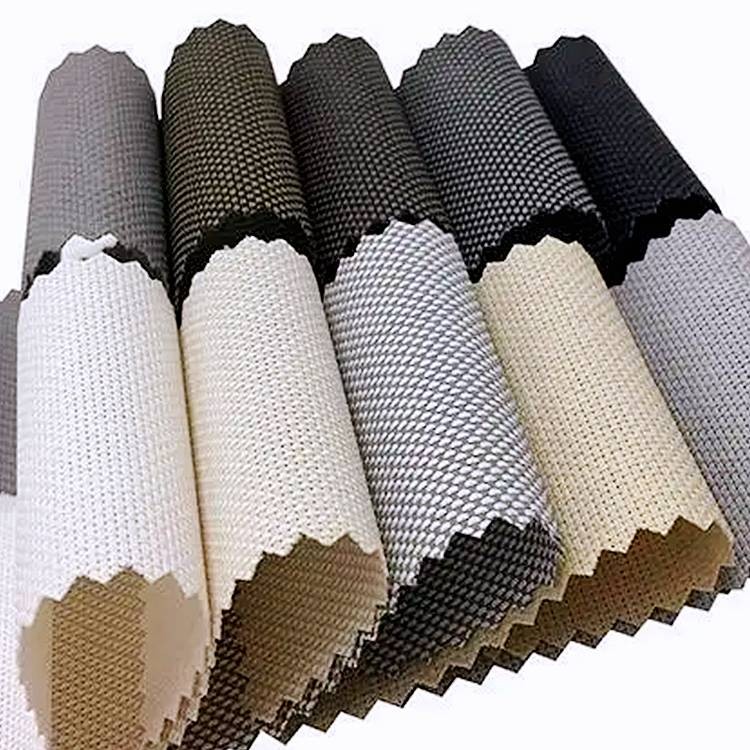
Conclusion
In conclusion, there are many environmental benefits of using shading nets for blinds. From improving energy efficiency and reducing carbon emissions to protecting indoor plants and furniture and reducing the urban heat island effect, shading nets are a highly effective and sustainable solution for buildings in all climates.
As a supplier of shading nets for blinds, I am proud to offer a range of high-quality, environmentally friendly products that are designed to meet the needs of our customers. If you are interested in learning more about our shading nets or would like to discuss your specific requirements, please do not hesitate to contact us. We would be happy to provide you with more information and help you find the perfect shading solution for your home or business.
References
- Lawrence Berkeley National Laboratory. (n.d.). Shading Devices. Retrieved from https://eetd.lbl.gov/research/shading-devices
- U.S. Environmental Protection Agency. (n.d.). Urban Heat Island Effect. Retrieved from https://www.epa.gov/heatislands
If you are considering purchasing shading nets for your blinds, we invite you to explore our product range. Check out our Sunscreen Fabric Sun-Shading Roller Blinds, Solar Screen Mesh, and Sunscreen Fabric for high - quality, sustainable shading solutions. Feel free to reach out to us to discuss your specific needs and start a procurement negotiation. We look forward to serving you.