

As a seasoned supplier in the sunshade screen industry, I often encounter inquiries about the durability of our products. This blog aims to delve into the factors that determine the durability of sunshade screens and provide insights to help you make informed decisions.
Understanding the Basics of Sunshade Screens
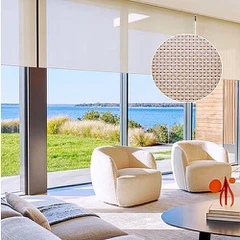
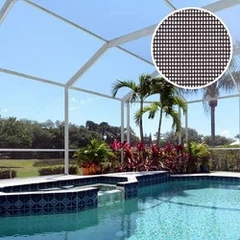
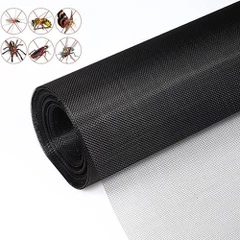
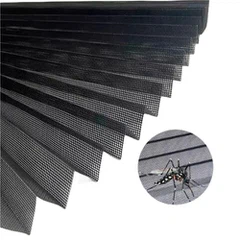
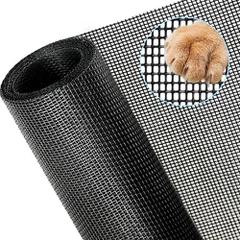
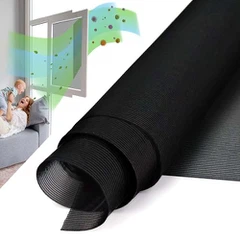
Sunshade screens are designed to block sunlight, reduce heat gain, and enhance privacy in various settings, including residential and commercial buildings. They come in different types, such as Shading Net for Blinds, Exterior Sun Control Mesh, and Sunshade 1% 3% 5% 10% Screen Fabric. Each type is crafted with specific materials and technologies to meet different needs and preferences.
Factors Affecting the Durability of Sunshade Screens
1. Material Quality
The choice of materials is crucial in determining the durability of sunshade screens. High - quality materials are more resistant to environmental factors such as UV radiation, moisture, and wind. For instance, screens made from premium PVC or polyester fabrics are often treated with UV inhibitors to prevent fading and degradation over time. These materials can withstand the harsh effects of sunlight, which is one of the most significant threats to the longevity of sunshade screens.
2. Manufacturing Process
A well - executed manufacturing process ensures that the sunshade screens are strong and reliable. Precision in cutting, stitching, and coating can significantly enhance the durability of the product. For example, screens with reinforced edges and seams are less likely to tear or fray. Additionally, advanced coating technologies can provide an extra layer of protection against dirt, water, and other contaminants.
3. Environmental Conditions
The environment in which the sunshade screens are installed plays a vital role in their durability. In areas with high levels of sunlight, screens need to be more UV - resistant. Coastal regions, on the other hand, expose the screens to saltwater and high humidity, which can cause corrosion and rust if the materials are not properly protected. Extreme weather conditions, such as strong winds and heavy rain, can also put stress on the screens, potentially leading to damage.
4. Maintenance
Proper maintenance can extend the lifespan of sunshade screens. Regular cleaning to remove dirt, dust, and debris can prevent the accumulation of substances that may damage the fabric. Additionally, inspecting the screens for any signs of wear and tear, such as loose threads or small holes, and addressing these issues promptly can prevent further damage.
Assessing the Durability of Different Types of Sunshade Screens
Shading Net for Blinds
Shading nets for blinds are typically made from lightweight materials that are designed to be flexible and easy to install. These nets are often used in indoor settings, where they are less exposed to extreme weather conditions. However, they still need to be durable enough to withstand regular use, such as opening and closing the blinds. High - quality shading nets are made from materials that are resistant to stretching and tearing, ensuring that they maintain their shape and functionality over time.
Exterior Sun Control Mesh
Exterior sun control meshes are installed on the outside of buildings, which means they are exposed to all types of weather conditions. These meshes need to be extremely durable to withstand the elements. They are usually made from heavy - duty materials that are designed to resist UV radiation, wind, and rain. The weave of the mesh is also an important factor; a tight weave can provide better protection against sunlight while still allowing air to pass through, reducing heat gain without sacrificing ventilation.
Sunshade 1% 3% 5% 10% Screen Fabric
Sunshade screen fabrics with different shading percentages are used for various applications, depending on the level of sunlight control required. These fabrics are often used in both indoor and outdoor settings. The durability of these fabrics depends on the quality of the base material and the coating. Fabrics with a higher shading percentage may be more exposed to sunlight, so they need to have better UV - resistance.
Our Company's Approach to Ensuring Durability
At our company, we are committed to providing sunshade screens that are not only effective in blocking sunlight but also highly durable. We source the highest - quality materials from trusted suppliers and use state - of - the - art manufacturing processes to ensure that our products meet the highest standards of quality.
We conduct rigorous testing on our sunshade screens to evaluate their performance under different conditions. This includes UV exposure tests, wind resistance tests, and water resistance tests. By doing so, we can identify any potential weaknesses in the design or materials and make improvements to enhance the durability of our products.
In addition, we provide our customers with detailed maintenance instructions to help them keep their sunshade screens in good condition. Our customer support team is always available to answer any questions and provide guidance on how to extend the lifespan of the screens.
Conclusion
In conclusion, the durability of sunshade screens depends on several factors, including material quality, manufacturing process, environmental conditions, and maintenance. By choosing high - quality sunshade screens and following proper maintenance procedures, you can ensure that your screens last for many years.
If you are in the market for sunshade screens and are looking for products that are durable and reliable, we invite you to explore our range of Shading Net for Blinds, Exterior Sun Control Mesh, and Sunshade 1% 3% 5% 10% Screen Fabric. We are confident that our products will meet your needs and provide long - lasting performance.


If you have any questions or would like to discuss your specific requirements, please feel free to contact us. We look forward to working with you to find the perfect sunshade screen solution for your project.
References
- "Building Envelope Design Considerations for Sunshading Devices" by the American Society of Heating, Refrigerating and Air - Conditioning Engineers (ASHRAE).
- "Textile Materials for Sunshade Applications" from the Journal of Textile Research.