


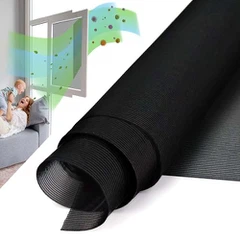
As a supplier of Plisse fly screens, I often encounter various questions from customers, and one of the most frequent queries is whether Plisse fly screens are waterproof. This seemingly straightforward question actually involves a lot of scientific knowledge and practical applications. In this blog, I will delve into this topic from multiple perspectives to provide you with a comprehensive answer.
Understanding Plisse Fly Screens
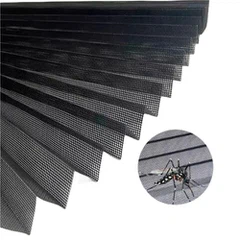
Before we can determine whether Plisse fly screens are waterproof, it's essential to understand what they are. Plisse fly screens are a type of window or door screen that can be retracted when not in use, offering a convenient and aesthetically pleasing solution to keep insects out. They are made from different materials, such as Mosquito Pleated Mesh, which is specifically designed to prevent mosquitoes and other flying insects from entering your living space.
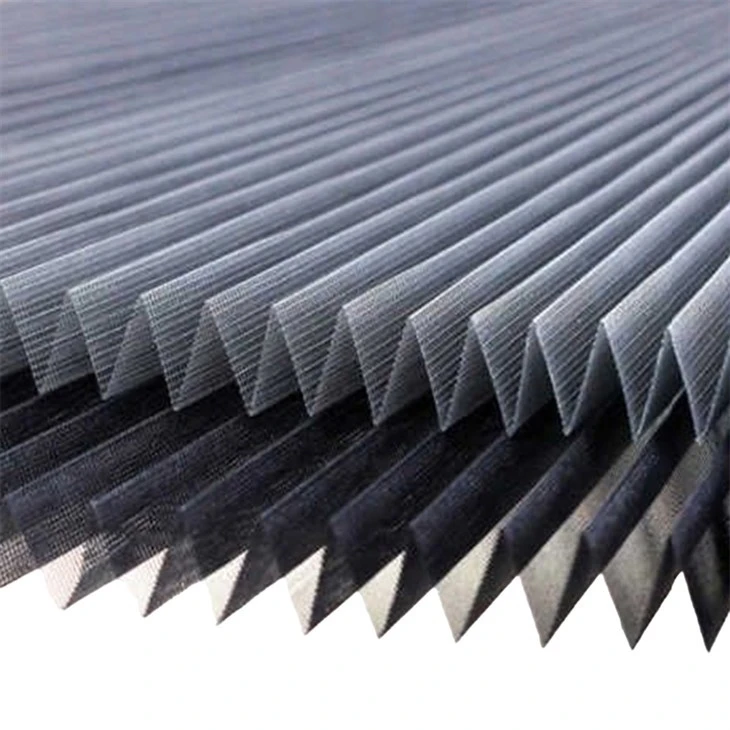
The design of Plisse fly screens typically consists of pleated mesh that is attached to a frame. When you want to use the screen, you simply pull it out, and when it's not needed, it retracts back into the housing. This retractable feature makes them a popular choice for homeowners and commercial buildings alike.

The Material Factor
The waterproofness of Plisse fly screens largely depends on the material they are made of. Most Plisse fly screens are made from mesh materials that are primarily designed to allow air circulation while keeping insects out. These mesh materials are usually not inherently waterproof.
For example, the common Mosquito Pleated Mesh is made of fine fibers that are woven together to create a barrier against insects. The small openings in the mesh are large enough to allow air to pass through but small enough to block mosquitoes and other bugs. However, these openings also mean that water can penetrate the mesh if it comes into contact with it.
On the other hand, some Plisse fly screens may be treated with special coatings or made from materials that have some level of water resistance. For instance, certain synthetic materials can be engineered to repel water to a certain extent. But even these screens may not be completely waterproof, especially in heavy rain or under high water pressure.
The Design and Construction Considerations
Besides the material, the design and construction of Plisse fly screens also play a role in their waterproof performance. A well - designed Plisse fly screen should have proper seals and weatherstripping around the edges to prevent water from seeping in around the frame.
The Plisse Retractable Screen is designed to retract smoothly, and during the retraction and deployment process, the integrity of the edges and seals needs to be maintained. If the seals are not tight or if there are gaps in the frame, water can easily find its way into the interior space, even if the mesh itself has some water - repellent properties.
In addition, the installation of Plisse fly screens is crucial. Incorrect installation can lead to misalignment of the screen and the frame, creating openings where water can enter. Professional installation is highly recommended to ensure that the screen functions as intended and has the best possible waterproof performance.
Testing the Waterproofness
To determine the waterproofness of Plisse fly screens, various tests can be conducted. One simple test is to use a spray bottle to simulate light rain. Spray water onto the screen from a short distance and observe whether water passes through the mesh or seeps around the edges.
For more accurate testing, a water pressure test can be carried out. This involves subjecting the screen to a certain amount of water pressure to see how it performs under more challenging conditions. However, these types of tests are usually conducted in a laboratory setting and are not practical for the average consumer.
Practical Applications and Limitations
In practical applications, Plisse fly screens are mainly used to keep insects out rather than to provide waterproof protection. They are suitable for use in areas where there is a need to allow air circulation while keeping bugs at bay, such as in windows and doors of homes, offices, and restaurants.
While they may offer some protection against light rain, they are not a substitute for proper waterproof windows or doors. In heavy rainfall or during storms, it is advisable to close the windows and doors behind the Plisse fly screens to prevent water from entering the building.
Alternatives for Waterproofing
If you are looking for a solution that combines insect protection with waterproofing, there are some alternatives available. For example, you can use a Folding Screen Mesh that is specially treated for both insect prevention and water resistance. Some models come with additional features such as a waterproof frame and enhanced seals to provide better protection against water.
Another option is to install a secondary waterproofing system in addition to the Plisse fly screen. This could include installing a waterproof awning or a storm window to provide an extra layer of protection against water.
Conclusion
In conclusion, Plisse fly screens are generally not waterproof. Their primary function is to keep insects out while allowing air circulation. However, depending on the material, design, and construction, they may offer some level of water resistance, especially against light rain.
If you are considering purchasing Plisse fly screens, it's important to understand their limitations in terms of waterproofing. At our company, we offer a range of high - quality Plisse fly screens, including Mosquito Pleated Mesh, Plisse Retractable Screen, and Folding Screen Mesh. We can provide you with detailed information about the features and performance of our products.
If you are interested in our Plisse fly screens and would like to discuss a purchase or have any questions, feel free to contact us. We are more than happy to assist you in finding the best solution for your needs.
References
- General knowledge on window screen materials and construction
- Industry standards and guidelines for fly screen manufacturing