

When choosing a sunshade net, the first step is to clarify how high the shading rate is required for your greenhouse. In summer, under direct sunlight, the light intensity can reach 60000 to 100000 lux. For vegetables, the light saturation point is mostly between 30000 to 60000 lux, such as 30000 lux for chili peppers, 40000 lux for eggplants, 55000 lux for cucumbers, and 70000 lux for tomatoes. Excessive light can affect the photosynthesis of vegetables, leading to hindered absorption of carbon dioxide and excessive respiratory intensity. This is how the phenomenon of photosynthetic "midday rest" occurs under natural conditions. Therefore, using a shading net with an appropriate shading rate can not only reduce the temperature inside the greenhouse before and after noon, but also improve the photosynthetic efficiency of vegetables, killing two birds with one stone.
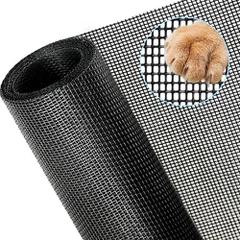
Black shading nets have a high shading rate of up to 70%. However, when using black shading nets, the light intensity cannot meet the normal growth needs of tomatoes, which can easily lead to excessive growth of tomatoes and insufficient accumulation of photosynthetic products. Most silver gray shading nets have a shading rate of 40% to 45% and a light transmittance of 40000 to 50000 lux, which can meet the normal growth needs of tomatoes. So it's best to cover tomatoes with a silver gray shading net. For those with low light saturation points such as chili peppers, they can choose shading nets with high shading rates, such as a shading rate of 50% -70%, to ensure that the light intensity inside the greenhouse is around 30000 lux; For vegetable varieties such as cucumbers with high light saturation points, shading nets with lower shading rates should be chosen, such as shading rates of 35% -50%, to ensure a light intensity of 50000 lux inside the greenhouse.